This article systematically explains the selection method of diamond grinding wheels for precision machining of ductile iron. It focuses on key parameters such as grit size, pore size, maximum rotational speed, and shape design. By combining workpiece materials, processing methods, and equipment conditions, it provides a scientific selection logic and recommendations for common application configurations to help users achieve efficient processing and high - quality finished products. Through the analysis of technological trends and the introduction of the advantages of UHD products, it enhances readers' understanding and application ability of the specifications of brazed diamond grinding wheels, making it a practical selection guide for professionals in the field of ductile iron processing.
In the processing of ductile iron, diamond grinding wheels play a crucial role. The specifications and parameters of grinding wheels, such as grit size, pore size, and maximum rotational speed, directly affect the processing quality and efficiency. For example, a finer grit size is suitable for finishing operations, which can obtain a smoother surface finish; while a coarser grit size is more suitable for roughing, with higher material removal rates.
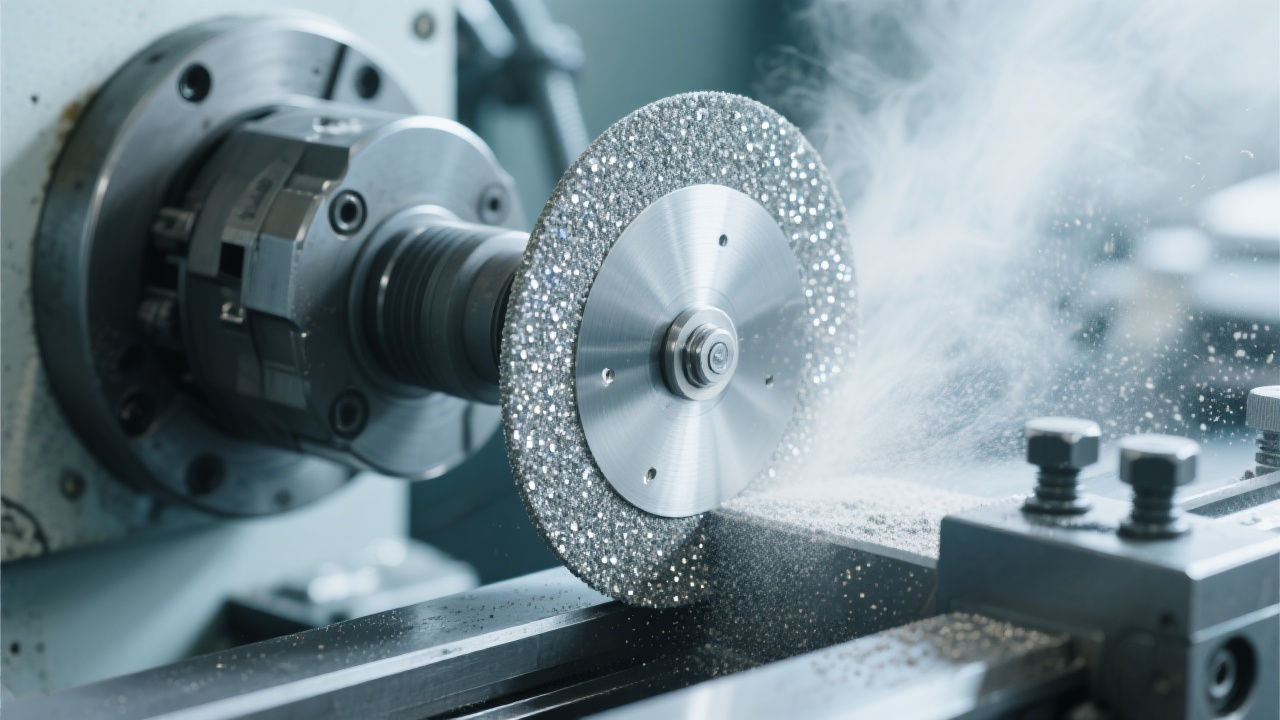
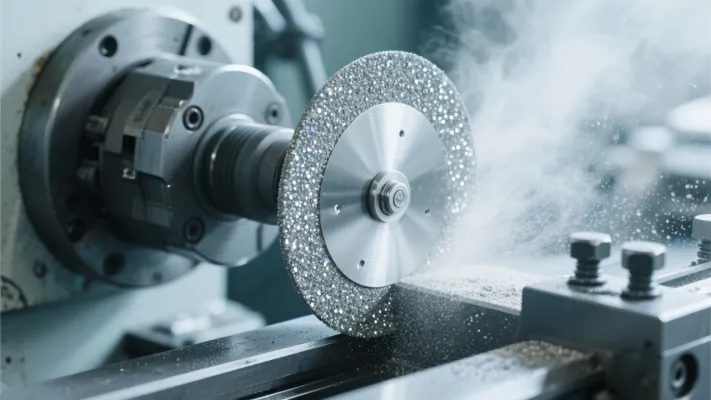
The selection of grit size is closely related to the workpiece material. For ductile iron, if the material is relatively hard, a coarser grit size can be selected to increase the material removal rate. According to industry data, when the hardness of ductile iron is around 200 - 300 HB, a grit size of 60 - 80 may be appropriate for roughing. For finishing, a grit size of 120 - 180 can achieve a better surface finish. Figure 2 shows the relationship between grit size and surface quality.
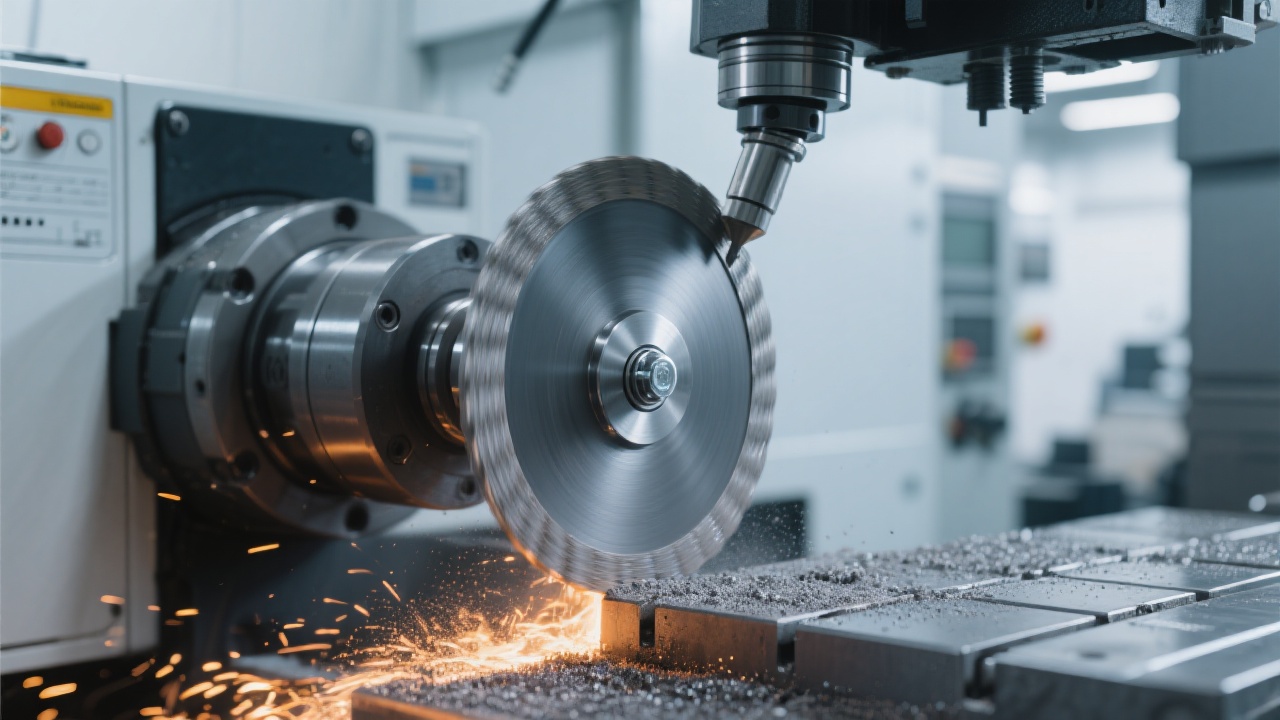
The pore size of the grinding wheel also affects the processing performance. A larger pore size can improve chip removal and prevent clogging, especially in high - speed grinding or when processing materials with high chip production. When processing ductile iron, a medium - sized pore size is generally recommended. This can ensure good chip removal while maintaining the cutting ability of the grinding wheel. Table 1 shows the recommended pore size for different processing conditions.
| Processing Condition | Recommended Pore Size |
|---|---|
| Roughing | Medium - large |
| Finishing | Medium |
With the development of technology, UHD brazed diamond grinding wheels have shown significant advantages. They have higher bond strength, which can ensure that the diamond particles are firmly fixed on the wheel surface, reducing particle shedding and improving the service life of the grinding wheel. In addition, UHD grinding wheels can achieve higher cutting efficiency and better surface quality. According to market research, compared with traditional grinding wheels, UHD brazed diamond grinding wheels can increase the processing efficiency by about 30% and reduce the surface roughness by about 20%.
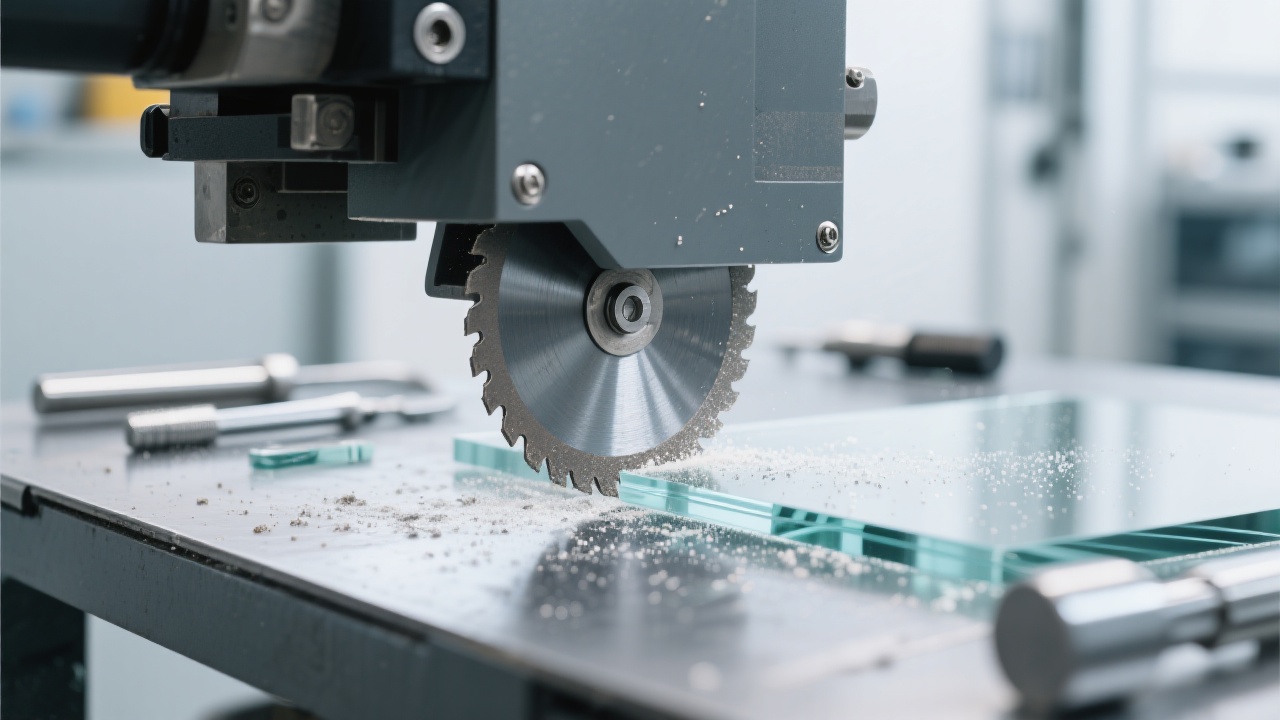
In a certain ductile iron processing factory, after using UHD brazed diamond grinding wheels, the processing efficiency of parts has been significantly improved. The original processing time for a batch of parts was 10 hours, but after using UHD grinding wheels, it was reduced to 7 hours, and the surface quality of the parts also met the high - end customer requirements. This case shows the practical value of UHD products in the field of ductile iron processing.
We encourage you to leave comments and engage in technical exchanges below. If you have any questions about diamond grinding wheel selection or UHD products, please feel free to share them. We will do our best to answer your questions.

 114
|
114
|
 brazed diamond grinding wheel
hard material grinding
diamond wheel advantages
superhard tool solution
eco-friendly grinding process
brazed diamond grinding wheel
hard material grinding
diamond wheel advantages
superhard tool solution
eco-friendly grinding process
 227
|
Vacuum brazed diamond bit
Dry drilling efficiency
Core bit performance
Diamond core bit
UDD020 bit
227
|
Vacuum brazed diamond bit
Dry drilling efficiency
Core bit performance
Diamond core bit
UDD020 bit
 439
|
UHD diamond grinding rod
vacuum brazed grinding rod
cast iron finishing tool
high-efficiency grinding solution
customized grinding rod design
439
|
UHD diamond grinding rod
vacuum brazed grinding rod
cast iron finishing tool
high-efficiency grinding solution
customized grinding rod design
 497
|
Vacuum brazed diamond grinding wheel
Automatic grinding wheel
Cast iron machining efficiency improvement
Superhard tool solutions
UDW series grinding wheels
497
|
Vacuum brazed diamond grinding wheel
Automatic grinding wheel
Cast iron machining efficiency improvement
Superhard tool solutions
UDW series grinding wheels
 355
|
Diamond wheels
Manual diamond wheels
High-speed grinder wheels
Industrial grinding efficiency
Grinding dust control
355
|
Diamond wheels
Manual diamond wheels
High-speed grinder wheels
Industrial grinding efficiency
Grinding dust control







.png?x-oss-process=image/resize,m_fill,h_300,w_300/format,webp)