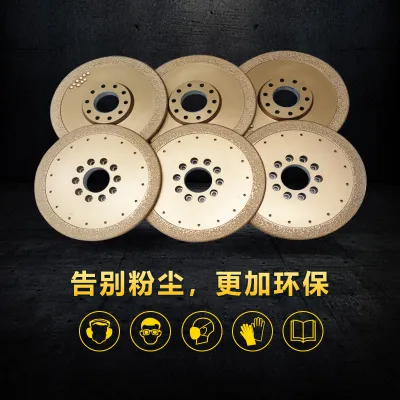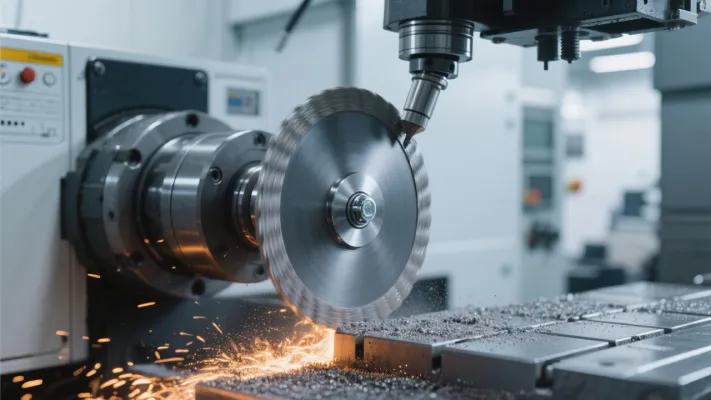
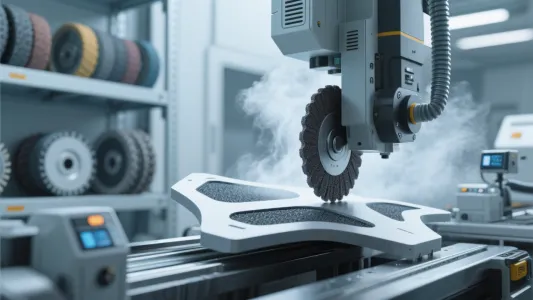
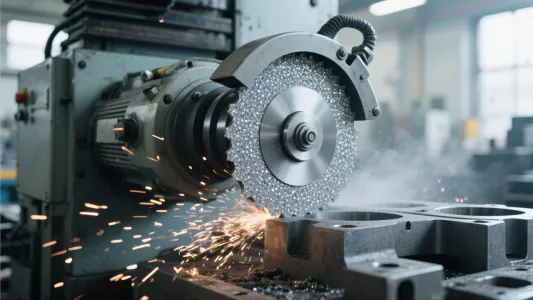
In the field of precision machining, selecting the right diamond wheel is crucial for achieving high - quality results. This guide focuses on the scientific selection of brazed diamond wheel specifications and parameters for the precision machining of ductile iron, covering key indicators such as grain size, aperture, maximum rotational speed, and shape design.
The grain size of a diamond wheel significantly affects the surface finish and material removal rate. For ductile iron precision machining, a finer grain size (e.g., 325 - 400 mesh) can provide a smoother surface finish, while a coarser grain size (e.g., 80 - 120 mesh) is more suitable for roughing operations with higher material removal rates. The aperture of the wheel is also important as it needs to match the spindle of the machining equipment. Common aperture sizes range from 20mm to 100mm.
The maximum rotational speed of the wheel is determined by its design and construction. Exceeding this speed can lead to wheel breakage and safety hazards. Typically, the maximum rotational speed for diamond wheels used in ductile iron machining ranges from 3000 to 6000 RPM.
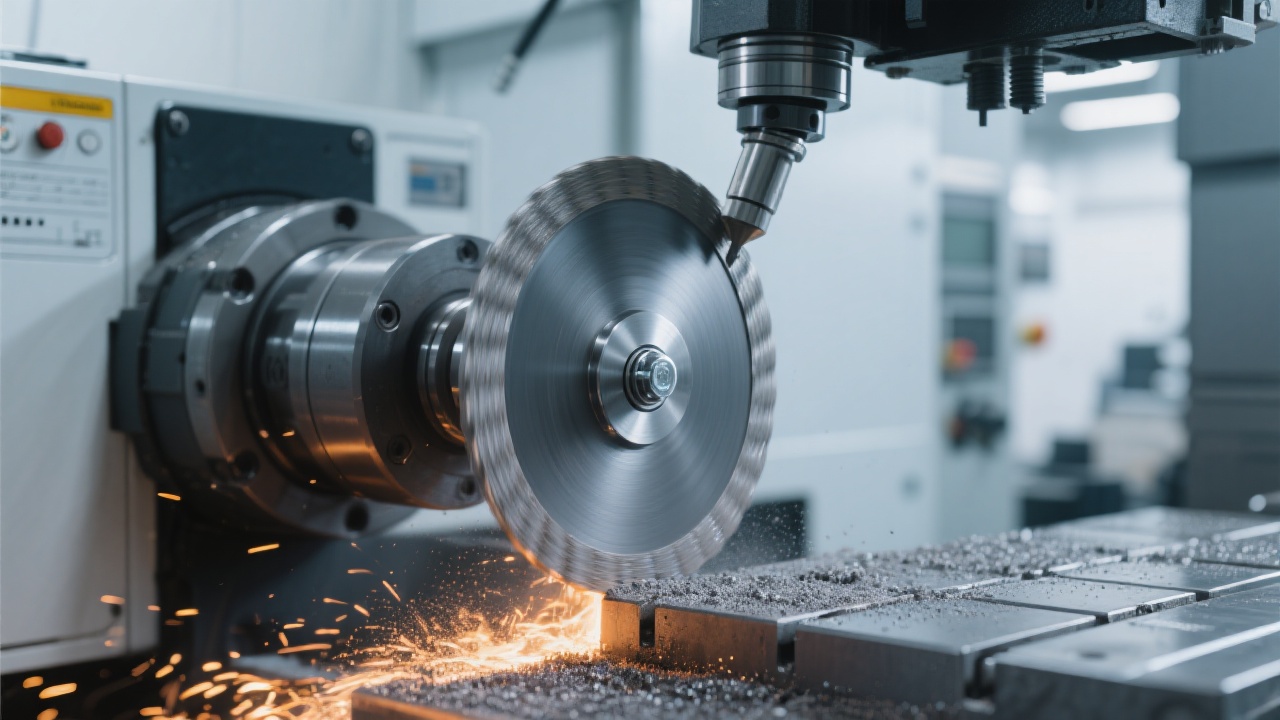
When selecting a diamond wheel, it is necessary to consider multiple factors. The material properties of the workpiece, such as the hardness and ductility of ductile iron, play a vital role. Ductile iron has relatively high ductility, so a wheel with appropriate bonding strength is required to ensure efficient cutting.
The processing method also affects the wheel selection. For example, in grinding operations, a wheel with a specific shape and grain arrangement is needed to achieve the desired surface profile. Additionally, the technical conditions of the equipment, such as the power and precision of the machine, should be taken into account.
Let's take a case of precision machining a ductile iron gear as an example. For rough grinding, a diamond wheel with a grain size of 100 - 120 mesh, an aperture of 32mm, and a maximum rotational speed of 4500 RPM can be used. This configuration can quickly remove excess material. For finish grinding, a wheel with a grain size of 325 - 400 mesh, the same aperture, and a slightly lower rotational speed of 3500 RPM is more appropriate to obtain a smooth surface finish.
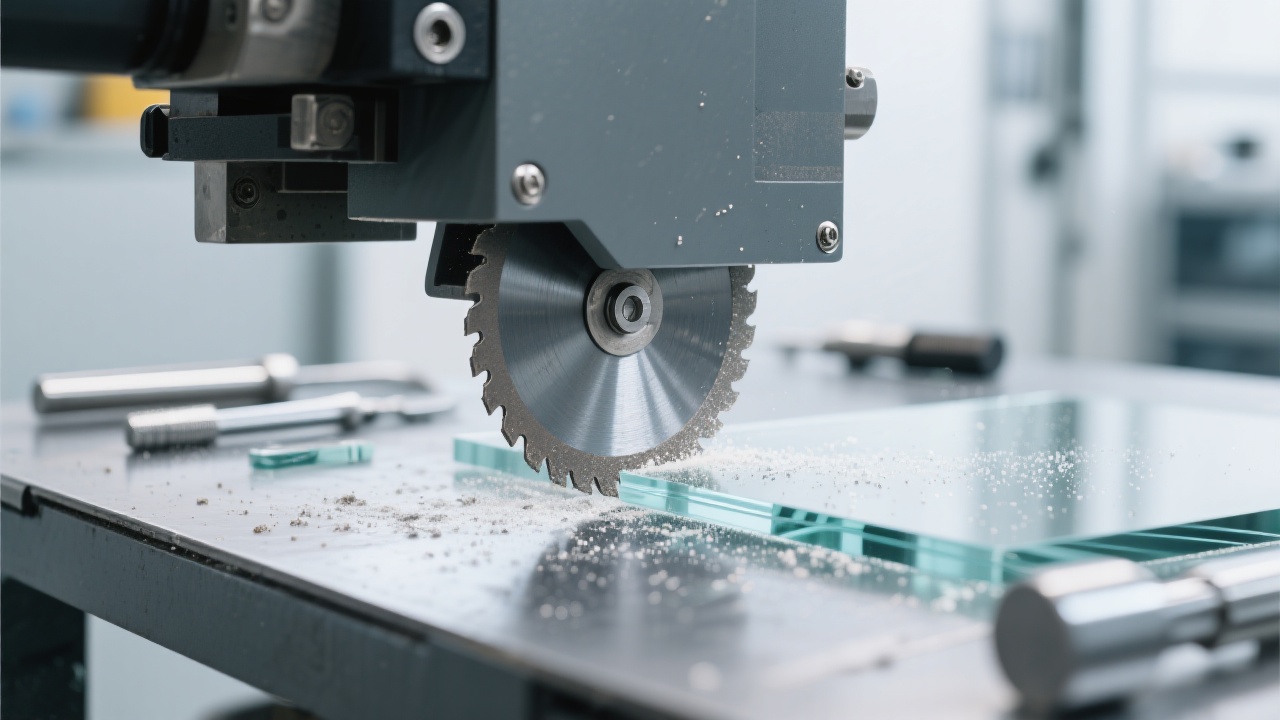
The diamond wheel industry is constantly evolving. New technologies are emerging, such as advanced bonding techniques and improved diamond quality. UHD is at the forefront of these technological innovations. UHD's diamond wheels are known for their high - quality diamonds and excellent bonding strength, which ensure longer wheel life and better cutting performance.
UHD's R & D team is continuously working on improving product performance. Their UHD diamond wheels can adapt to various machining requirements, whether it is high - precision grinding or high - efficiency roughing. With UHD diamond wheels, users can expect to improve machining efficiency and product quality significantly.
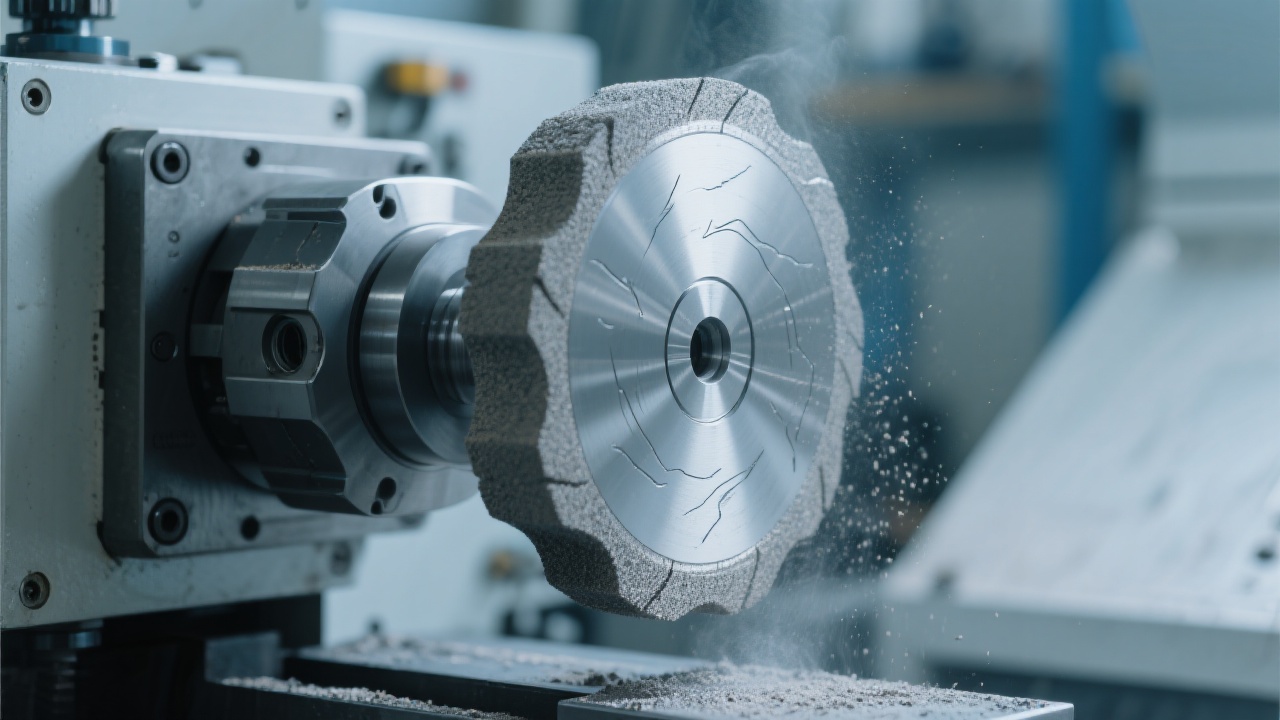
In conclusion, choosing the right diamond wheel is a complex but important task. By understanding the key parameters, considering multi - dimensional factors, and following typical configuration suggestions, users can make more informed decisions. And with UHD's advanced technology and high - quality products, users can be confident in achieving excellent machining results.
Discover the superior performance of UHD diamond wheels for your ductile iron machining needs. Click here to learn more.
 127
|
127
|
 High - performance diamond grinding wheel
Industrial grinding technology
Dust control technology
High - speed grinder wheel
Grinding efficiency
High - performance diamond grinding wheel
Industrial grinding technology
Dust control technology
High - speed grinder wheel
Grinding efficiency
 171
|
vacuum brazed diamond grinding wheel
smart manufacturing grinding
automatic grinding solution
electroplated wheel replacement
cast iron grinding wheel
171
|
vacuum brazed diamond grinding wheel
smart manufacturing grinding
automatic grinding solution
electroplated wheel replacement
cast iron grinding wheel
 469
|
Vacuum brazed diamond wheel
Metal processing efficiency improvement
Automatic grinding equipment special wheel
Super - hard tool solutions
Diamond wheel life extension
469
|
Vacuum brazed diamond wheel
Metal processing efficiency improvement
Automatic grinding equipment special wheel
Super - hard tool solutions
Diamond wheel life extension
 457
|
brazed diamond grinding wheel
precision machining砂轮
diamond wheel wear resistance
ductile iron grinding
eco-friendly grinding tool
457
|
brazed diamond grinding wheel
precision machining砂轮
diamond wheel wear resistance
ductile iron grinding
eco-friendly grinding tool
 248
|
UDS010 diamond saw blade
stone cutting efficiency improvement
diamond saw blade case study
stone processing blade upgrade
high-performance stone cutting solution
248
|
UDS010 diamond saw blade
stone cutting efficiency improvement
diamond saw blade case study
stone processing blade upgrade
high-performance stone cutting solution





.png?x-oss-process=image/resize,m_fill,h_300,w_300/format,webp)
.png?x-oss-process=image/resize,m_fill,h_300,w_300/format,webp)