
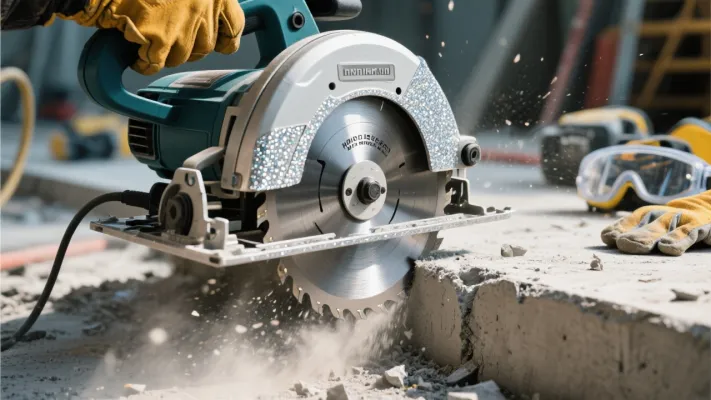
In high-volume stone processing, “fast enough” is rarely enough. When bottlenecks come from blade wear, unstable cutting, and frequent stops, output drops long before anyone notices the true cost. This customer story shows how one large-scale stone factory used the UDS010 diamond saw blade to make cutting measurably faster, steadier, and easier to manage—under both dry and wet conditions—without changing their entire production line.
The customer is a large stone processing plant supplying engineered stone and natural stone slabs to wholesalers and project contractors. Their line runs long shifts, and the cutting section is one of the most sensitive links in the chain: if cutting slows, polishing and packing wait; if blades fail, the entire schedule becomes reactive.
For months, the plant had been dealing with what looked like “normal” friction—until monthly performance reports showed a recurring pattern: output fluctuated heavily between shifts, and the variance traced back to blade condition.
The production manager summarized it simply: “We weren’t short on machines. We were short on stable cutting.”
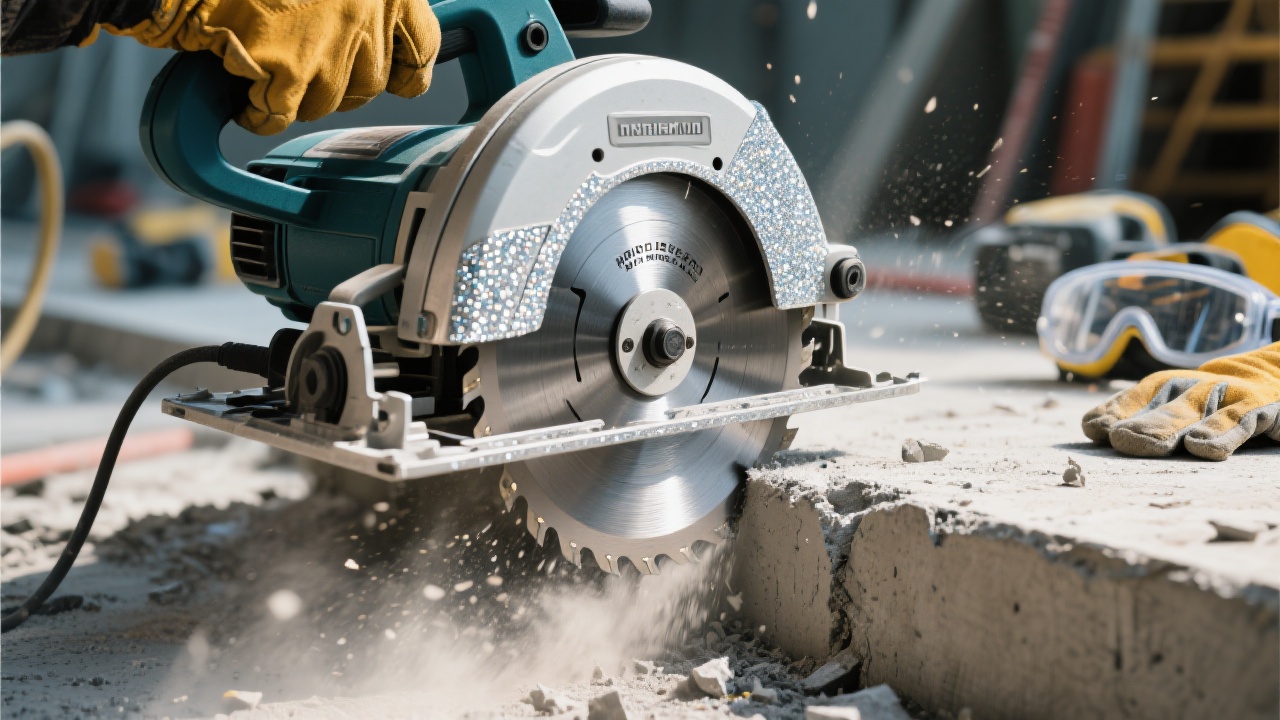
Instead of changing machines or restructuring the cutting cell, the plant tested a targeted upgrade: the UDS010 diamond saw blade. The goal was practical—raise throughput while reducing the hidden losses caused by inconsistent cutting.
UDS010 is designed around two structural advantages that matter in continuous production: a high-precision cutting edge geometry that keeps the kerf clean at higher feed rates, and a hard-alloy base/body built to hold rigidity and reduce deformation under load. In plain terms, it aims to keep the cut stable longer—so operators don’t have to compensate as the shift goes on.
The factory ran a side-by-side comparison for two weeks across multiple shifts, using the same operators, similar stone batches, and standard safety parameters. Metrics were pulled from production logs and operator sheets, focusing on measurable outcomes rather than “feels faster.”
After the initial stabilization period, the UDS010 blades delivered a consistent and repeatable productivity gain. Across the measured runs, the factory documented an average 30–34% increase in cutting throughput compared with their previous blades under the same process settings.
The plant’s engineering notes pointed to a simple reality: productivity increased because operators didn’t have to “babysit” the cut. With the UDS010, stable edge engagement held longer, enabling higher feed rates without inviting chips and vibration. The result: fewer interruptions, fewer adjustments, and a smoother rhythm across the shift.
Cutting time isn’t only about speed—it’s about continuity. Reducing stops by roughly half brought back a meaningful portion of productive hours.
Cleaner edges reduced the number of slabs flagged for extra attention. That steadiness improved planning for polishing and packing.
A longer working window made blade replacement predictable, which is often the difference between a controlled shift and a chaotic one.
One of the less obvious findings was how much time the team had quietly been spending to keep older blades behaving—especially as the edge aged. With UDS010, the factory reported noticeably less “combing/conditioning” time to maintain acceptable edge quality.
In wet cutting, the blade maintained a smooth feel at higher throughput. In dry cutting (used occasionally due to workflow constraints), the plant emphasized disciplined parameter control and dust management—but still documented stable performance without the rapid degradation they were used to seeing.
Many factories chase speed by pushing feed rates until quality breaks. This case went the other way: it improved process stability, then speed followed naturally. That’s why the team described it as “changing the rules”—not because it defies physics, but because it changes what operators can safely expect from a blade over a full shift.
For plants processing large volumes, a repeatable 30% efficiency lift is not a marketing number—it translates into more finished area per day, fewer schedule surprises, and less overtime pressure when deadlines tighten.
A simple “Before vs. After” bar chart with three bars each: throughput (m²/hour), stops per shift, and blade life (m²/blade). This factory used that one-page view to align production, maintenance, and purchasing within a week.
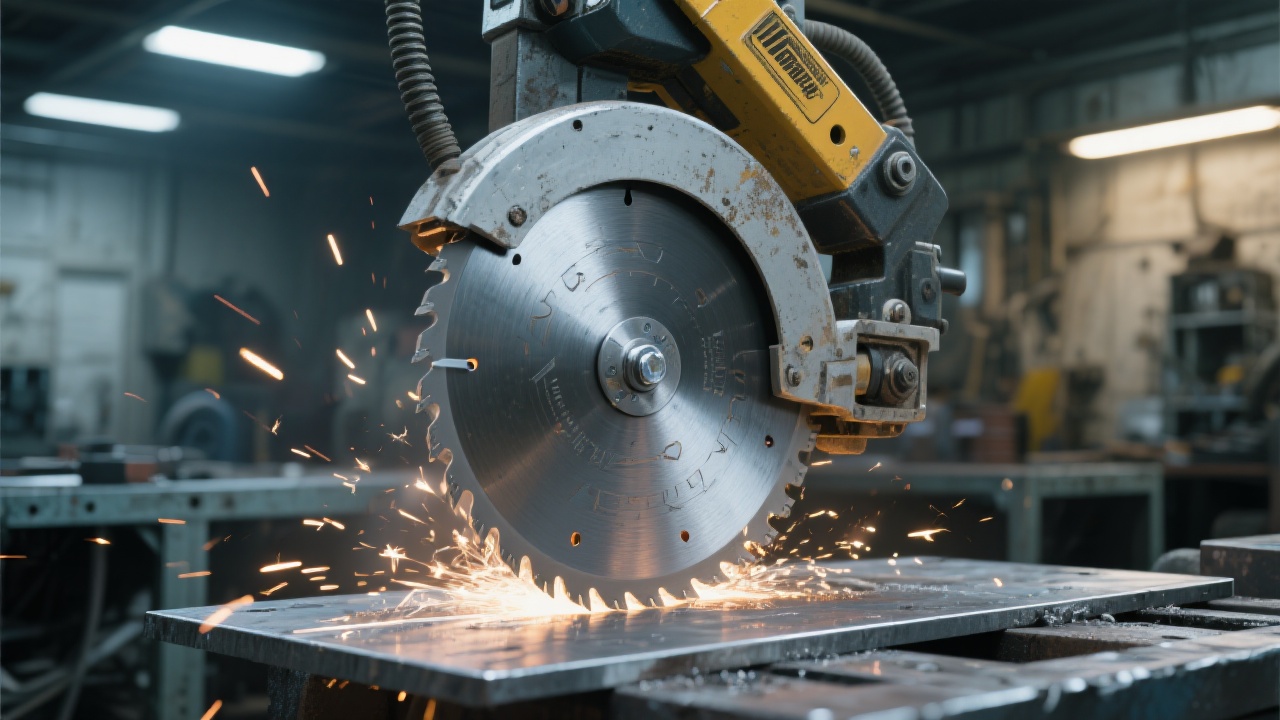
If your operation is experiencing “invisible losses”—speed reductions to avoid chipping, frequent blade corrections, unpredictable change timing—the fastest improvement may not come from new machines. It may come from a cutting tool that holds performance long enough for your production plan to actually stay true.
The UDS010 case shows what happens when the blade stops being a variable. Output becomes easier to forecast, training becomes simpler, and the cutting section stops dictating the mood of the entire factory.
Share your stone type, thickness, and wet/dry process, and we’ll recommend the right UDS010 configuration and operating parameters to target higher throughput and longer blade life.
Get the UDS010 Diamond Saw Blade Application Guide & Trial SupportTypical response time: 24 hours on business days. Technical information handled confidentially.


 450
|
450
|
 Vacuum brazed diamond grinding wheels
High - precision part machining
Green technology
Sustainable development of metal machining
High - efficiency grinding
83
|
Diamond cutting grinding disc
Dual - function diamond tool
Concrete cutting efficiency
Brazed diamond disc
Industrial grinding solution
69
|
UHD brazed diamond grinding rod
vacuum brazing grinding tools
diamond grinding rod applications
precision cast iron finishing
high-performance grinding solutions
176
|
brazed diamond cutting segment
diamond grinding segment dual function
construction material waste reduction
industrial diamond tools
efficient grinding solutions
55
|
Vacuum brazed diamond grinding rods
High - performance grinding rods
Cast iron fine machining tools
Grinding tool innovation
Customized grinding rod design
Vacuum brazed diamond grinding wheels
High - precision part machining
Green technology
Sustainable development of metal machining
High - efficiency grinding
83
|
Diamond cutting grinding disc
Dual - function diamond tool
Concrete cutting efficiency
Brazed diamond disc
Industrial grinding solution
69
|
UHD brazed diamond grinding rod
vacuum brazing grinding tools
diamond grinding rod applications
precision cast iron finishing
high-performance grinding solutions
176
|
brazed diamond cutting segment
diamond grinding segment dual function
construction material waste reduction
industrial diamond tools
efficient grinding solutions
55
|
Vacuum brazed diamond grinding rods
High - performance grinding rods
Cast iron fine machining tools
Grinding tool innovation
Customized grinding rod design






.png?x-oss-process=image/resize,m_fill,h_300,w_300/format,webp)

.png?x-oss-process=image/resize,m_fill,h_300,w_300/format,webp)


