
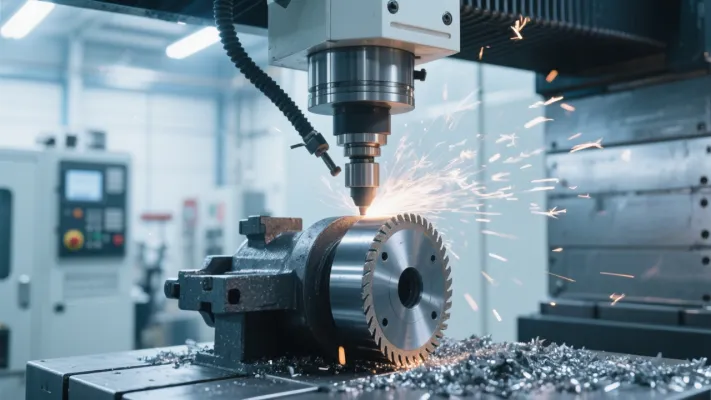
As automotive plants accelerate toward lights-out machining, the weakest link often appears in a familiar place: grinding. Higher utilization rates, tighter tolerances, and the push for greener production expose the limitations of conventional abrasive tools—especially where automated lines demand stable performance over long cycles.
In this context, vacuum brazed diamond grinding wheels from Henan Youde Superhard Tools Co., Ltd. are increasingly adopted as a pragmatic upgrade for automotive components auto-grinding. The reason is not “new material hype,” but measurable outcomes: higher removal rates, longer tool life, and repeatable consistency with less intervention—exactly what automated manufacturing requires.
In modern automotive machining cells, grinding is no longer treated as a final finishing step; it is a production metric tied to OEE, energy per part, and scrap risk. When a line runs three shifts with robotic loading, a wheel that “works well” is not enough—what matters is how long it stays stable, how predictable its wear curve is, and how little it disrupts the takt time.
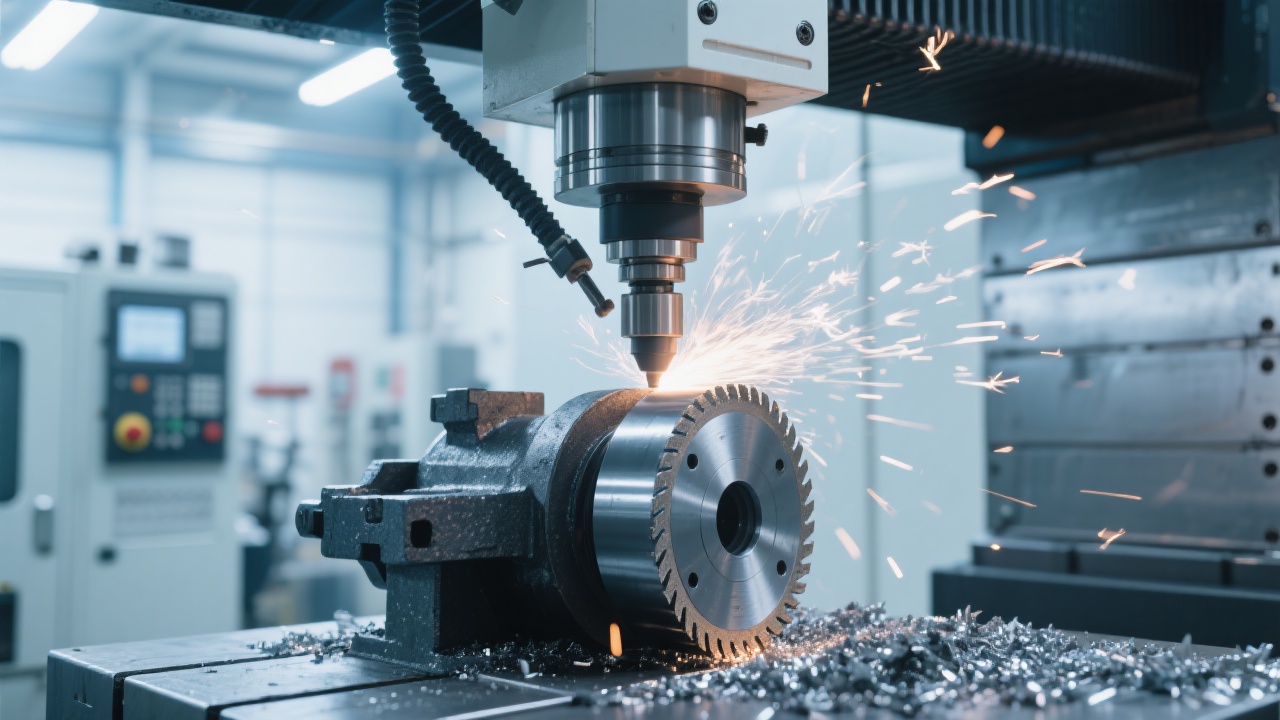
In automotive parts manufacturing—such as shafts, bearing seats, gearbox components, and EV drivetrain parts—typical bottlenecks include frequent dressing, short wheel life, thermal damage risk, and unstable surface quality. These issues multiply in automation, because every intervention interrupts the cell and raises hidden labor and downtime costs.
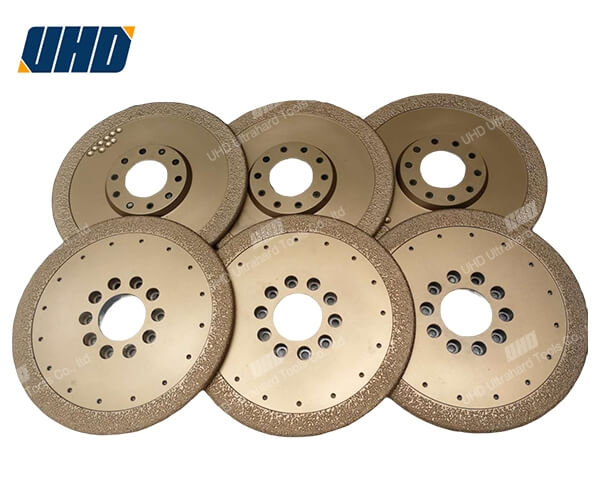
A vacuum brazed diamond wheel uses high-temperature brazing to firmly bond diamond grits onto the wheel substrate under controlled vacuum conditions. Compared to electroplated wheels, vacuum brazing generally delivers stronger grit retention and more reliable cutting edges over time, enabling more consistent performance across long automated runs.
| Metric (Typical Automotive Grinding) | Electroplated Diamond Wheel | Vacuum Brazed Diamond Wheel (Reference) |
|---|---|---|
| Tool life (to rework/replace) | Baseline | +30% to +60% in many stable setups |
| Material removal rate (MRR) | Moderate | +20% to +35% with process tuning |
| Consistency across long automated cycles | More fluctuation as grit sheds | More stable cutting action, fewer unplanned stops |
| Risk of burn / thermal damage | Higher if wheel dulls | Lower due to sharper, longer-lasting cutting edges |
| Downtime drivers | More frequent replacement / intervention | Longer uninterrupted runs, better fit for robotics |
Data notes: Reference values reflect common results in automotive component grinding when wheel specification, coolant strategy, and spindle power are properly matched. Actual outcomes depend on material, hardness, grinding mode, and process parameters.
In a typical new energy vehicle axle-type component line, the grinding station must maintain tight roundness and surface integrity while keeping takt time stable. When automated loading and in-line gauging are introduced, the grinding wheel becomes a determining factor for whether the cell remains “hands-off.”
After switching from an electroplated wheel to a vacuum brazed diamond wheel (geometry and grit optimized to the workstation), the line reported:
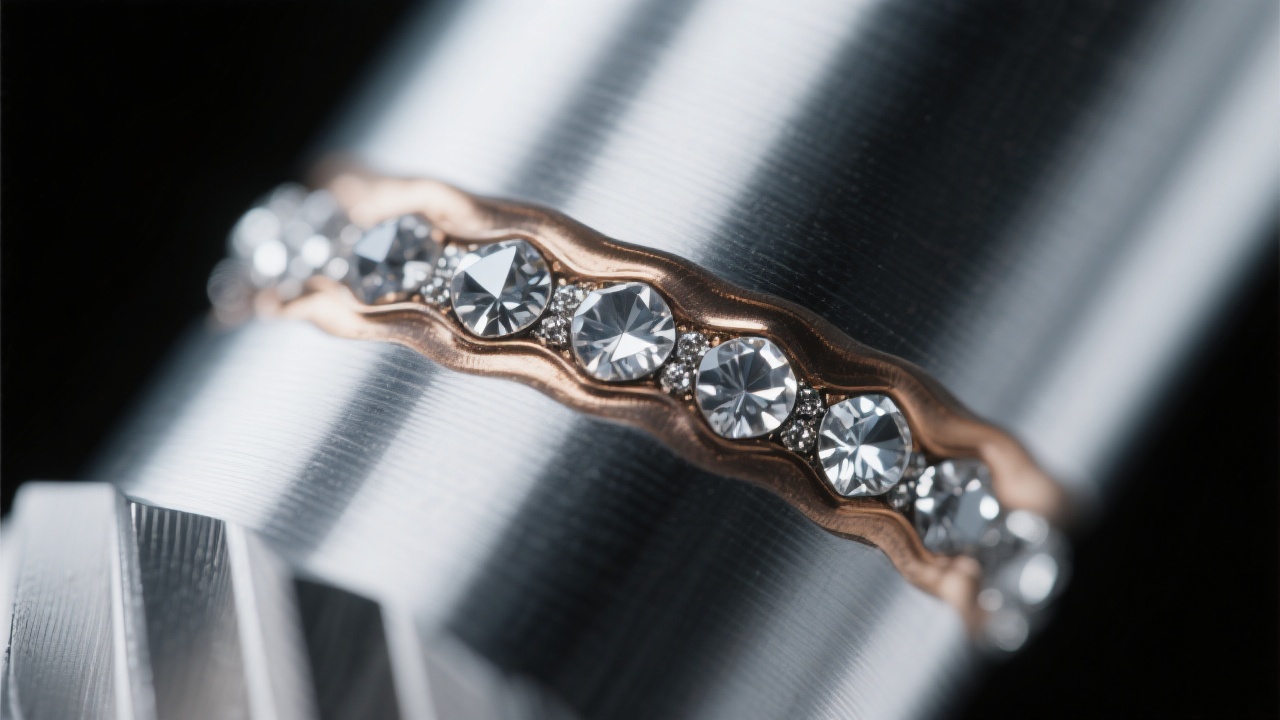
The most valuable improvement was not only speed. In automated manufacturing, process stability often translates into higher throughput than a nominal MRR boost, because stability reduces micro-stoppages, rework loops, and measurement alarms. A wheel that holds its cutting behavior longer can protect both quality KPIs and scheduling reliability.
In automotive grinding, diamond wheels rarely succeed as off-the-shelf items. The same part can require different wheel behaviors based on machine rigidity, spindle power, coolant delivery, and whether the target is aggressive stock removal or stable finishing. For this reason, Henan Youde positions vacuum brazed diamond wheels as an application-fit tool system, not a generic consumable.
“In automated grinding, the wheel must behave predictably. When the abrasive stays sharp longer and the wear curve is stable, the line doesn’t just run faster—it runs with fewer surprises.”
— Application engineer viewpoint from an automotive machining integrator (industry interview summary)
Sustainable manufacturing targets are increasingly tied to supplier scorecards, not just internal initiatives. Grinding tools influence sustainability in practical ways: fewer wheel changes reduce consumable waste; higher efficiency reduces energy per part; and stable cutting can lower scrap—often the largest hidden environmental cost in precision machining.
Create a side-by-side bar chart comparing parts per wheel, seconds per part, and scrap rate between electroplated vs. vacuum brazed diamond wheels. A small line chart can visualize the “stability window” (number of parts produced before intervention) for automated cells.
The strongest economic effect usually appears in high-utilization stations where downtime is expensive and quality risks propagate downstream. Typical high-ROI applications include:
For automotive auto-grinding projects, wheel performance depends on matching geometry, grit, and process parameters to your machine and part. Request a spec recommendation and comparable case data for your application.
Suggested info to share: part material, target Ra, stock removal, wheel size, spindle power, coolant type, and your current wheel’s parts-per-wheel.

 151
|
151
|
 Vacuum brazed diamond grinding wheels
Automatic grinding wheels
Cast iron grinding
Metal processing efficiency
Grinding wheel durability
348
|
Brazed diamond cutting discs
Construction efficiency
Diamond grinding discs
Industrial cutting tools
Youde superhard grinding discs
405
|
vacuum brazed diamond grinding wheel
eco-friendly grinding tools
high-efficiency metal machining
green manufacturing technology
superhard cutting tools
Vacuum brazed diamond grinding wheels
Automatic grinding wheels
Cast iron grinding
Metal processing efficiency
Grinding wheel durability
348
|
Brazed diamond cutting discs
Construction efficiency
Diamond grinding discs
Industrial cutting tools
Youde superhard grinding discs
405
|
vacuum brazed diamond grinding wheel
eco-friendly grinding tools
high-efficiency metal machining
green manufacturing technology
superhard cutting tools
 334
|
vacuum brazed diamond saw blade certification
cutting tools after-sales service
diamond saw blade technical support
cutting tool quality certification
after-sales support case study
334
|
vacuum brazed diamond saw blade certification
cutting tools after-sales service
diamond saw blade technical support
cutting tool quality certification
after-sales support case study
 480
|
High - performance diamond saw blades
Extension of metal cutting tool life
Cast iron cutting solutions
Vacuum sintering technology
Technical support for durable diamond saw blades
480
|
High - performance diamond saw blades
Extension of metal cutting tool life
Cast iron cutting solutions
Vacuum sintering technology
Technical support for durable diamond saw blades






.png?x-oss-process=image/resize,m_fill,h_300,w_300/format,webp)

.png?x-oss-process=image/resize,m_fill,h_300,w_300/format,webp)


